Articles
Articles and analyses from the INET community on the key economic questions of our time.

How MBA Programs Drive Inequality
Business school students are taught to extract resources instead of creating value.
Economics in a Different Key
Brexit: The Tectonic Plates
A Bridge From Brexit

The Bank for International Settlements Looks Through the Financial Cycle
The BIS offers a comprehensive picture of the state of the world economy, and of dysfunctional policies holding it back

Brexit and the Future of Europe
The European Union is headed for a disorderly disintegration, and can only be saved if it is reconstructed to satisfy citizens’ needs and aspirations
In Memoriam, Jack Treynor
Global Money: A Work in Progress
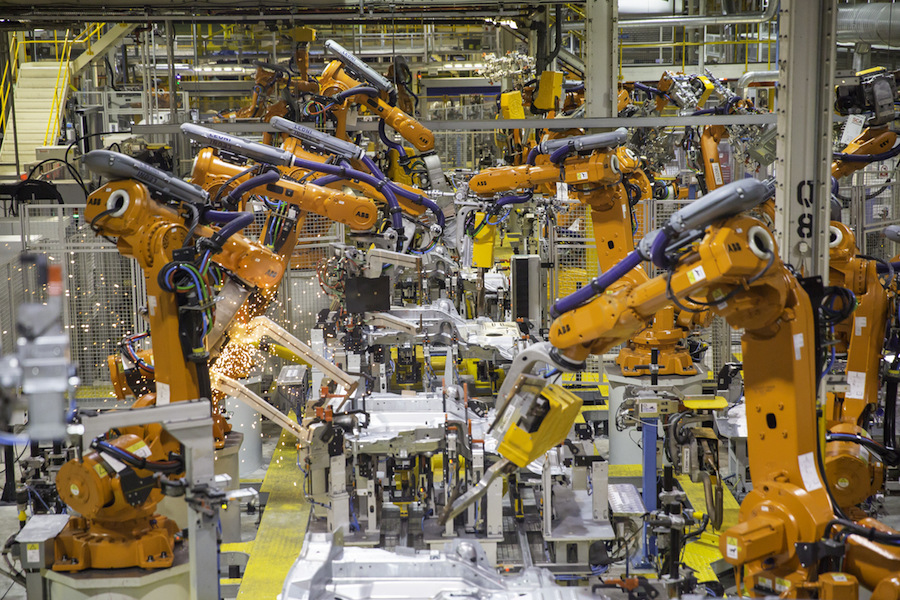
Should we really be 'learning to love' the robots?
A response to Arjun Jayadev’s argument about the impact of automation on our work and life
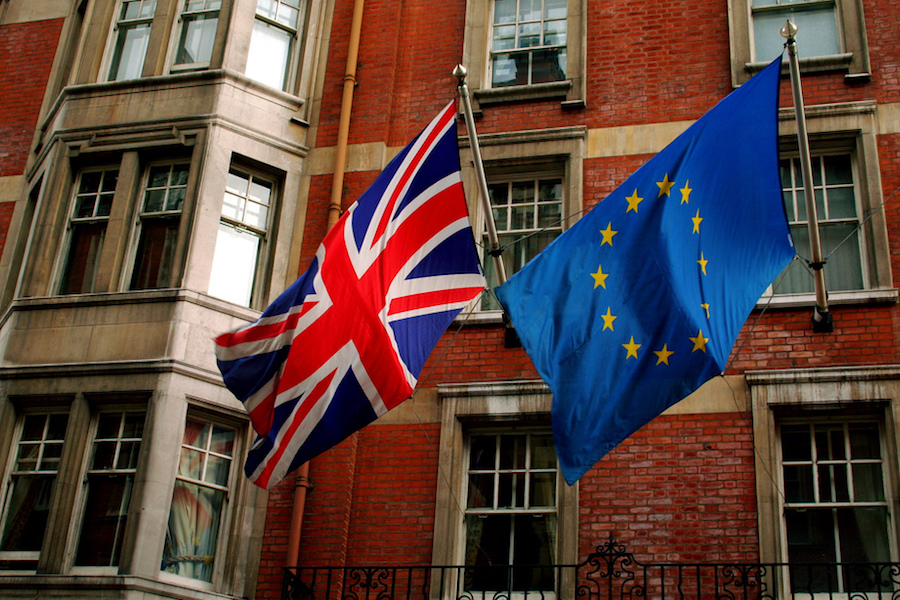
Britain’s EU scorecard, a dissent on China stimulus, and the productivity puzzle
What we’re reading: A weekly scan of published items relevant to the Institute’s work
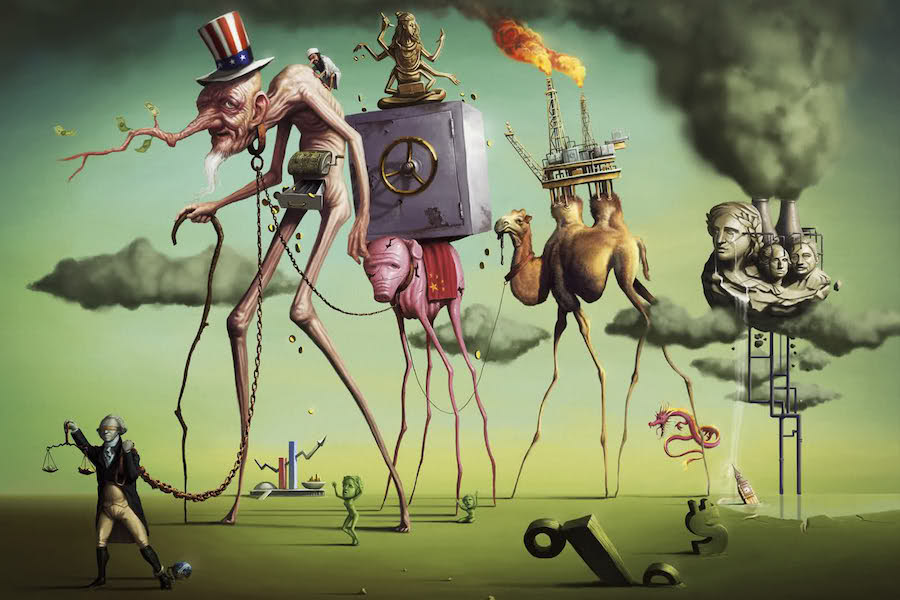
Introducing the Symposium on Neoliberalism
Is Neoliberalism a fixed set of ideas, or even an identifiable political movement?

This is Water (or is it Neoliberalism?)
A meditation on Vercelli, Vernengo and Levitt & Seccareccia
Is Wall Street Doing its Job?
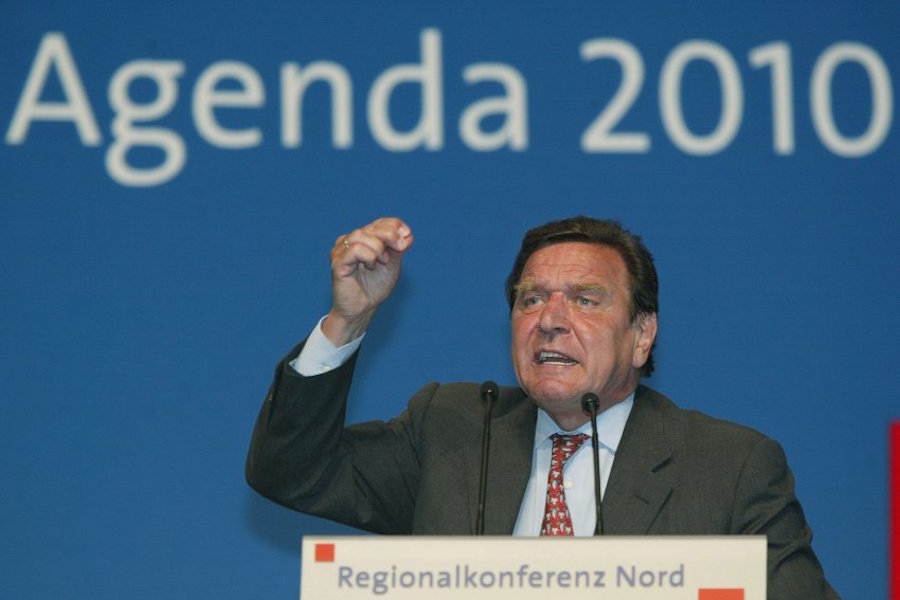
Where the SPD and Germany would stand today without Agenda 2010
The SPD, the Social Democratic Party of Germany, has been collapsing in the popularity polls ever since they in 2003 launched the reform Agenda. What would have come of the party if it had not been for this insane rush to reform? Possibly Gerhard Schroeder could even still be chancellor today. A case for the time machine.
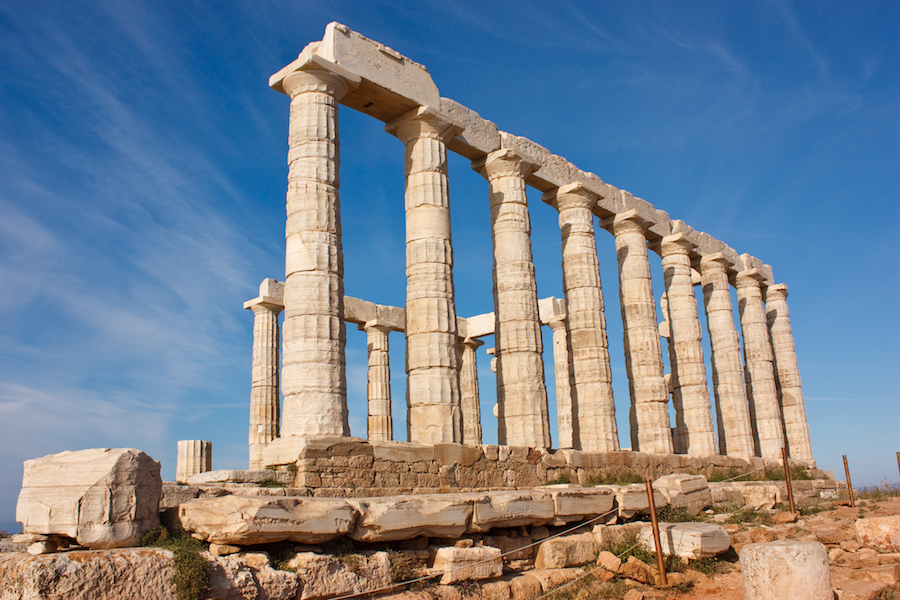
Debate: How is the Greek rescue package being spent?
Despite using different methodologies, a number of scholars agree that most of the ‘bailout’ money is going to Greece’s foreign creditors
Helicopter Money on a Leash?
Shadow banking’s enduring perils
Minimum Wages & Job Loss

A Press That Serves the People in a Capitalist Society?
A new book by economist Julia Cagé offers a participatory business model for independent media.