Articles
Articles and analyses from the INET community on the key economic questions of our time.

Should You Buy Bitcoin?
Over the next year, the Bitcoin price could double, soar tenfold, or collapse by 95% or more, and no economic analysis can help predict where in that range it will lie. Like other cryptocurrencies, Bitcoin serves no useful economic purpose, though in macroeconomic terms, such currencies probably also do little harm.
China’s Green Opportunity

INET Grantee Lazonick’s Research Shapes DC Share Buyback Debate
Sen. Tammy Baldwin features arguments in questions to SEC nominees, pharmaceutical industry witness

How Public Spending Creates Jobs and Growth—Without Inflation
Contrary to conventional wisdom, government stimulus can improve the health of the economy for years after, without inflationary side effects
China vs. the Washington Consensus
The 2008 financial crisis was a shock to faith in entirely free financial markets. But the neoliberal assumptions underlying the previously dominant “Washington Consensus” continue to inform much Western commentary on China’s economy.

The Dark Side of Discrimination in the Economics Profession
How Women Are Forced to Conform to the Research Habits and Interests of Men
America’s Rising, Invisible Debt

Political Economy, Technocracy, and the New Gilded Age
In this episode of Hidden Forces, host Demetri Kofinas speaks with Robert Johnson, about the political economy, inequality, and the failings of our technocratic institutions.
Edward Kane: Hidden Subsidies for Too Big to Fail Banks
An examination of some little-known ways nation states and central banks prop up megabanks
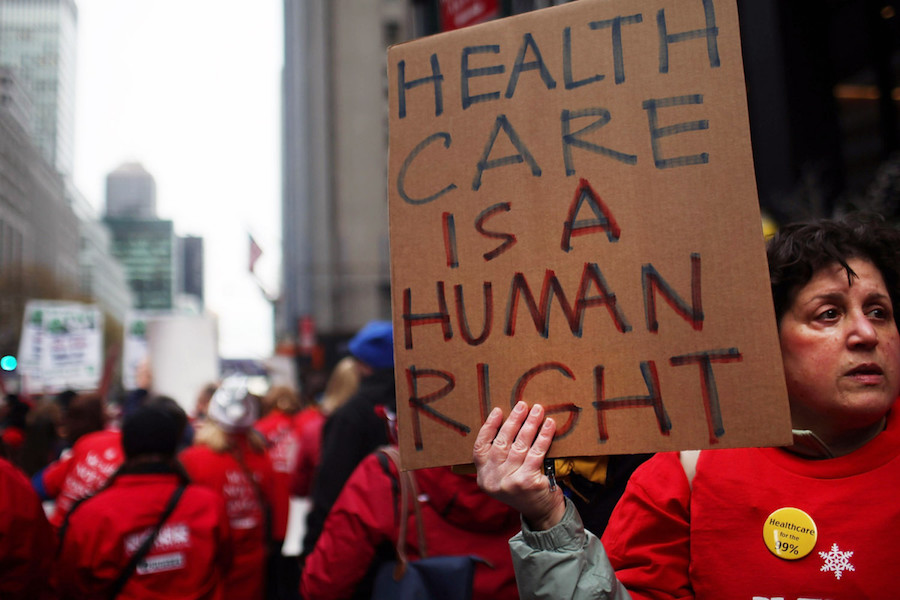
The Economic Case for Single Payer Health Care in the US
Greater efficiency, lower costs, and universal coverage make it the sustainable option, say some top economists
Jim Chanos: U.S. Economy is Worse Than You Think
The famed short-seller offers a mid-2017 reality check for “fake fiscal news,” and economic pipe dreams, and sees “portents of even worse things”
The Hidden Cost of Privatization
America Last

The New New Deal
Globalization has fallen into disrepute; the myth of the prosperity and happiness-generating free market has been dispelled. A visionary concept that provides guidance and direction is required now.