Articles
Articles and analyses from the INET community on the key economic questions of our time.

Heckman Study: Investment in Early Childhood Education Yields Substantial Gains for the Economy
New research by Nobel Laureate and Institute for New Economic Thinking Advisory Board member James Heckman finds strong economic gains from birth-to-five education programs
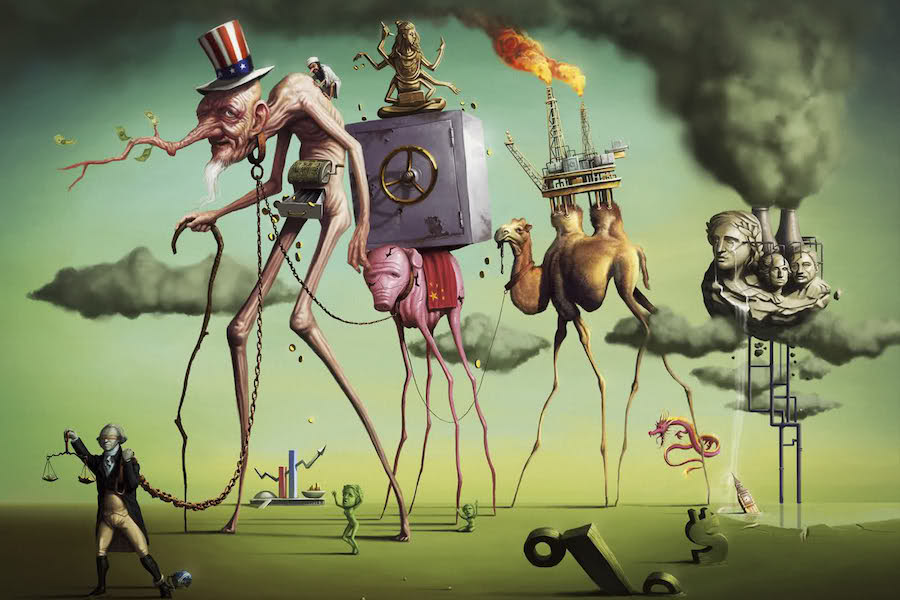
Will Trump Bring Neoliberalism’s Apocalypse, or Merely a New Iteration?
Real existing neoliberalism as a set of social facts distinct from a purist ideology has proven remarkably adaptable and politically resilient
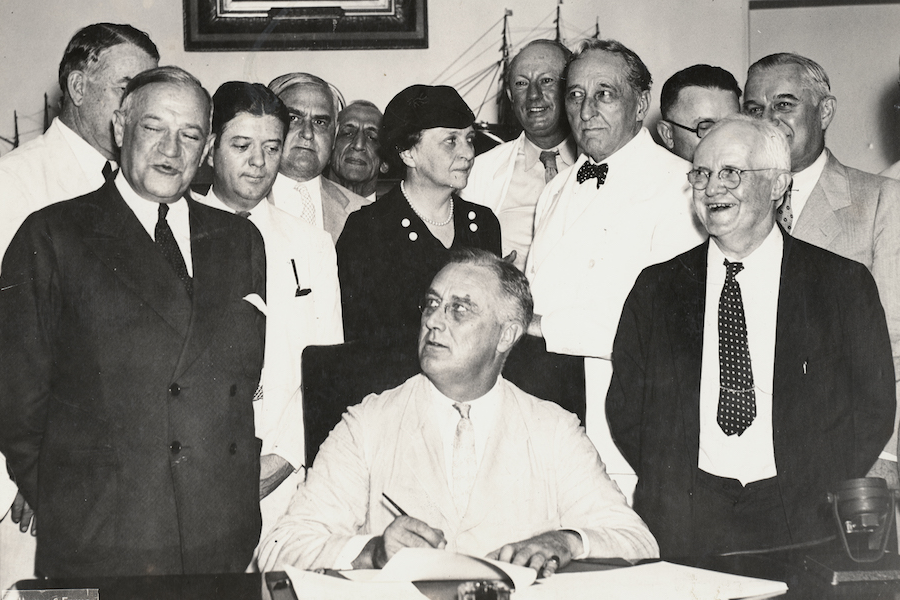
Trump’s Win is a Warning: Europe Urgently Needs a New Deal
President Franklin D. Roosevelt’s policies allowed the United States to avoid the perils of right-wing populism that plunged Europe into war in the 1930s — Europe should learn from his example
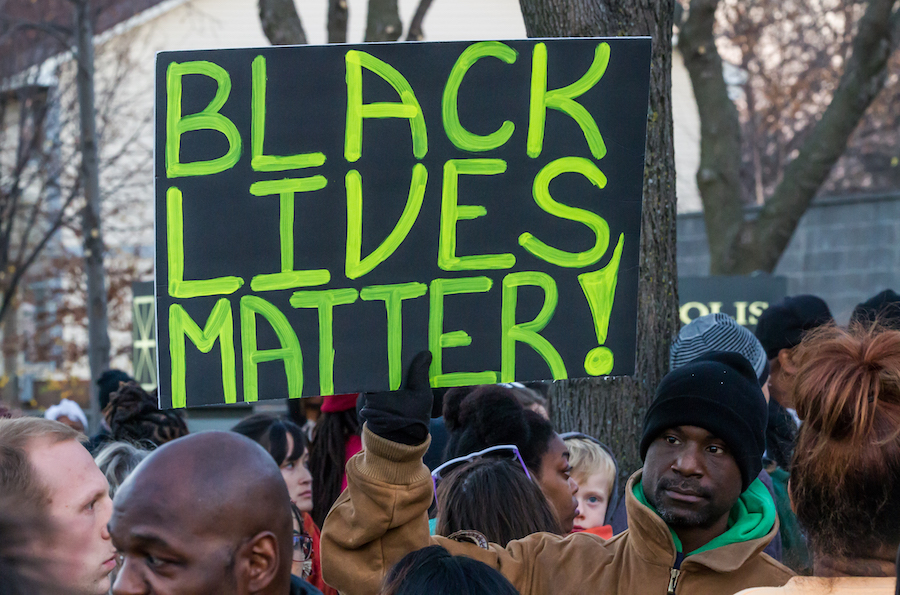
Black Lives Still Matter
Alicia Garza, co-founder of the Black Lives Matter Network, shares a vision of how to bring economic opportunity to women of color

Can Capitalism Work for Women of Color?
Getting rid of barriers to economic security is possible with the right policies at the right time.

Cook: Race-blind economics distorts data
Scholar sees Institute for New Economic Thinking conference as an important opportunity to discuss issues of race and economics, and of Detroit’s past and future
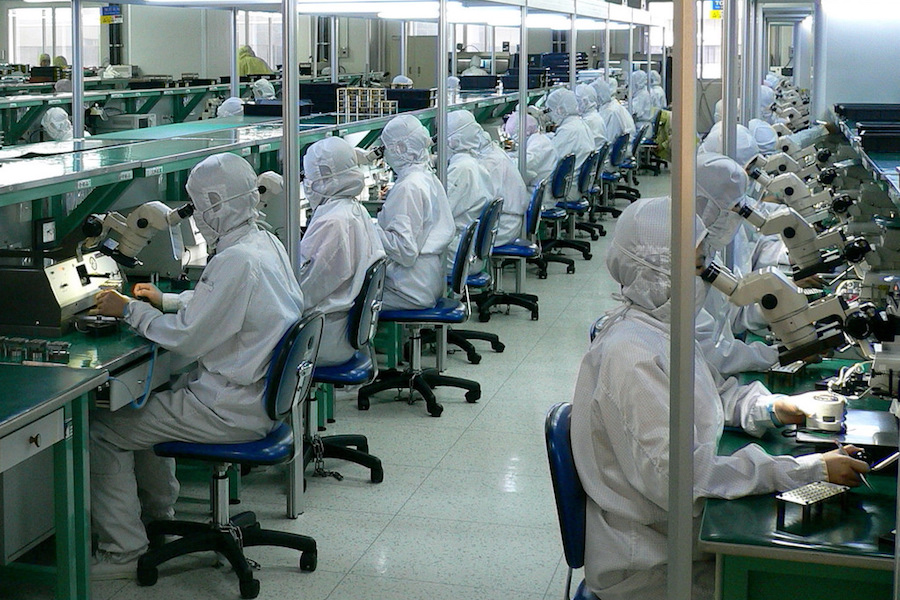
Inequality As Policy: Selective Trade Protectionism Favors Higher Earners
Offshoring manufacturing may have hurt many working people in America, but professionals and intellectual property have been robustly protected
Why Can’t Economics See Race?
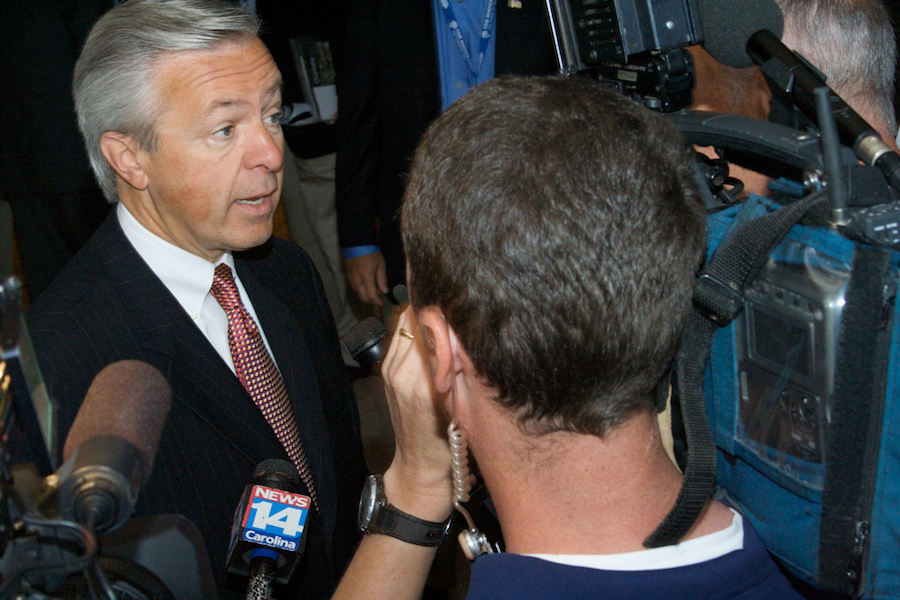
Three Things to Know to Hold Wells Fargo Accountable
Justice requires that the media, policy makers, and the public understand why corporations engage in misconduct and fraud
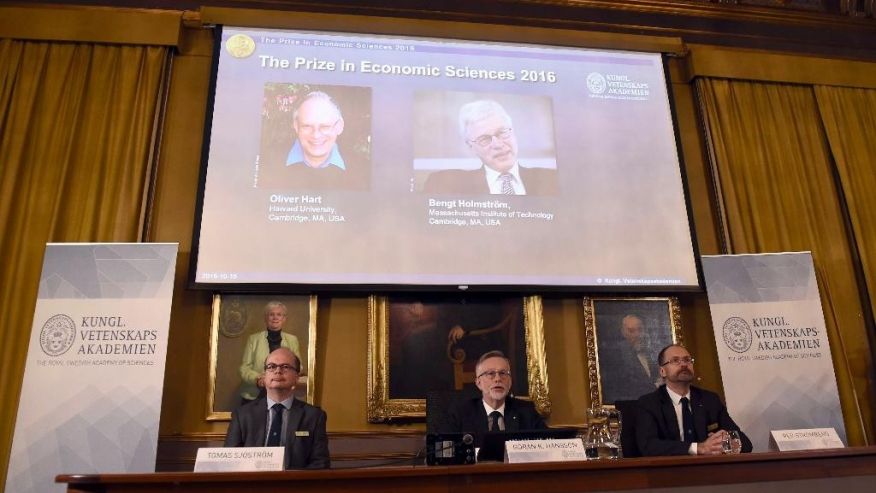
Congratulations to Economics Nobel Laureates Hart and Holmström
Economists honored for their work on contract theory, which has important implications for issues such as executive compensation that have been a focus of Institute research

Rethinking Macroeconomic Theory Before the Next Crisis
While many countries throughout the world have faced severe financial crises over the last decades, and while the Japanese stagnation and the 1997 Asian financial crisis did induce some additional interest for the introduction of banking and finance in macroeconomic theory, it is only with the advent of the US subprime financial crisis that macroeconomic and monetary theories put forward by mainstream economists have started to be questioned.