Articles
Articles and analyses from the INET community on the key economic questions of our time.

The Roots of Argentina’s Surprise Crisis
A change in macroeconomic policies will not be sufficient to set Argentina on a path of inclusive and sustained economic development. But, as last month’s currency scare showed, abandoning the approach adopted by President Mauricio Macri’s administration at the end of 2015 is a necessary step.
Argentina’s Unseen Fragility
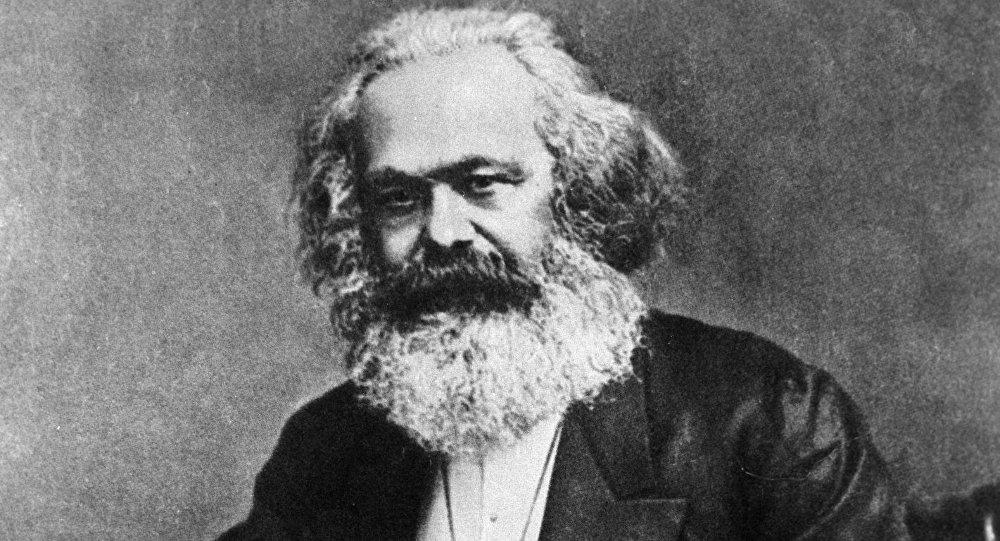
To Reform Capitalism, Look to Marx
200 years after Marx’s birth, many elites have taken unabashed pride in capitalism, a term that originally had negative connotations. To make our economy more just, we must reclaim Marx’s understanding of capitalism’s contradictions.
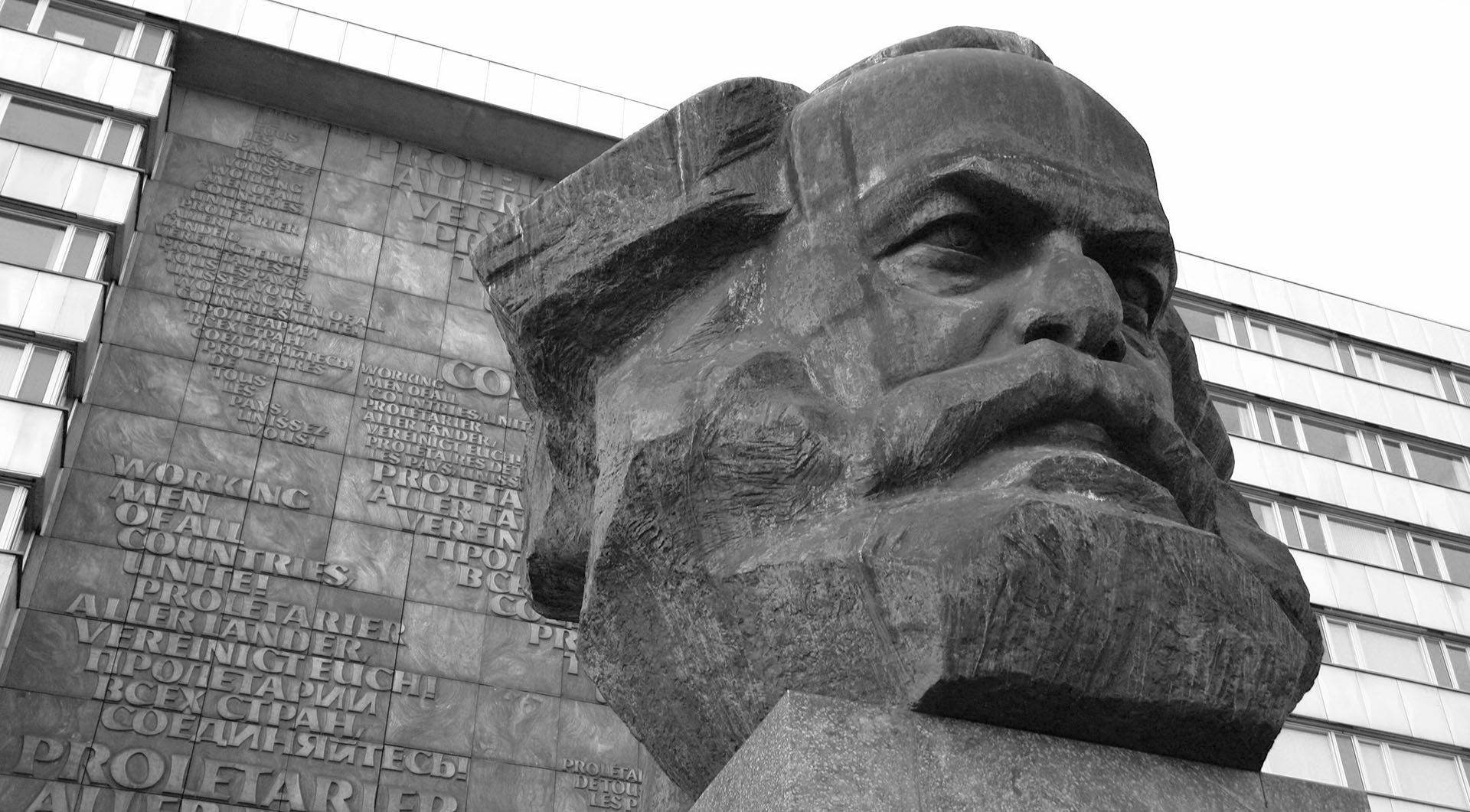
The Forgotten Vision of Market Socialism
200 years after Marx’s birth, a look at how two economists sought to reconcile his idea of common ownership with market mechanisms
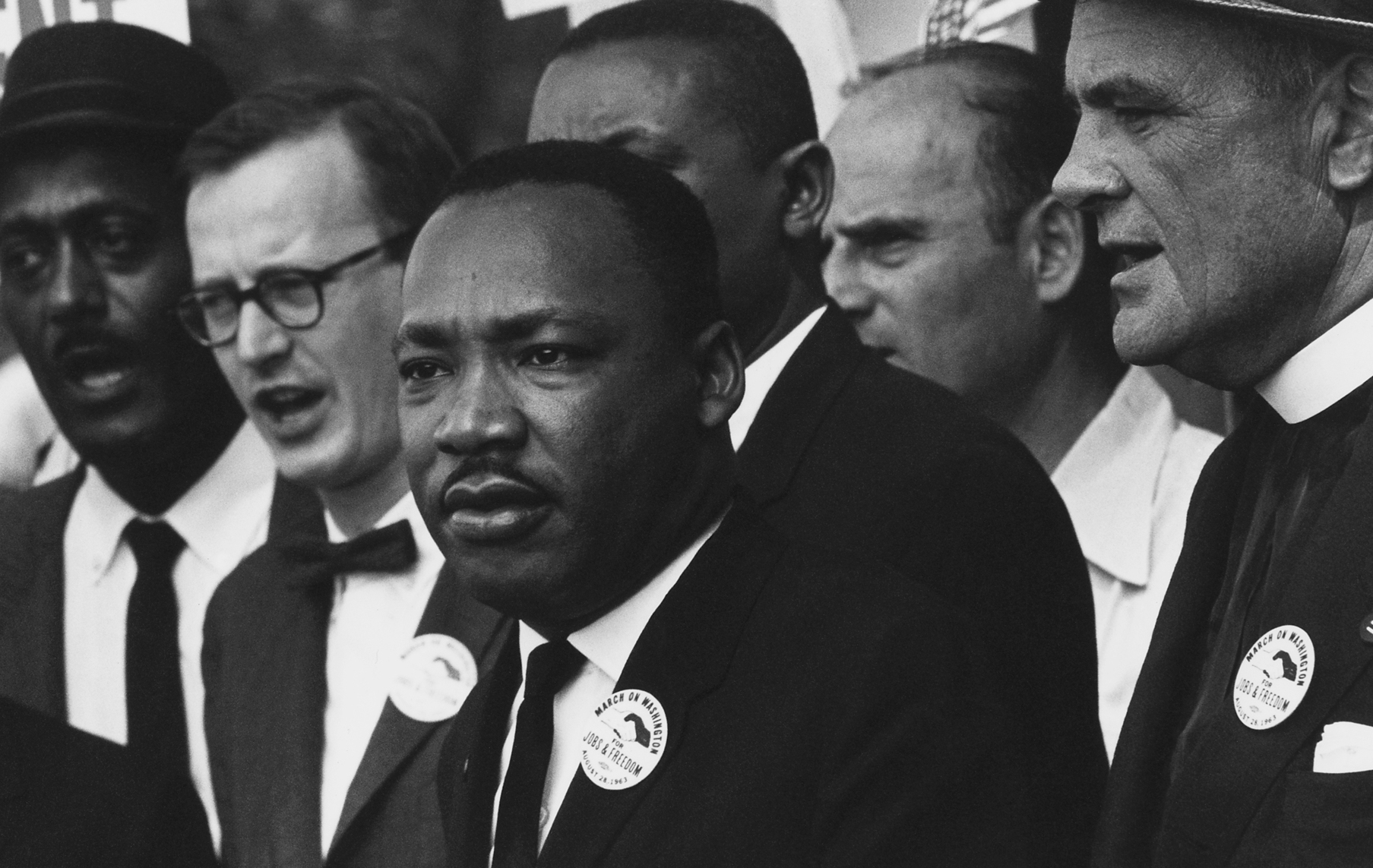
Samuel Bowles Remembers Martin Luther King
The economist reflects back on the racial justice leader who showed him the limits of his academic training.
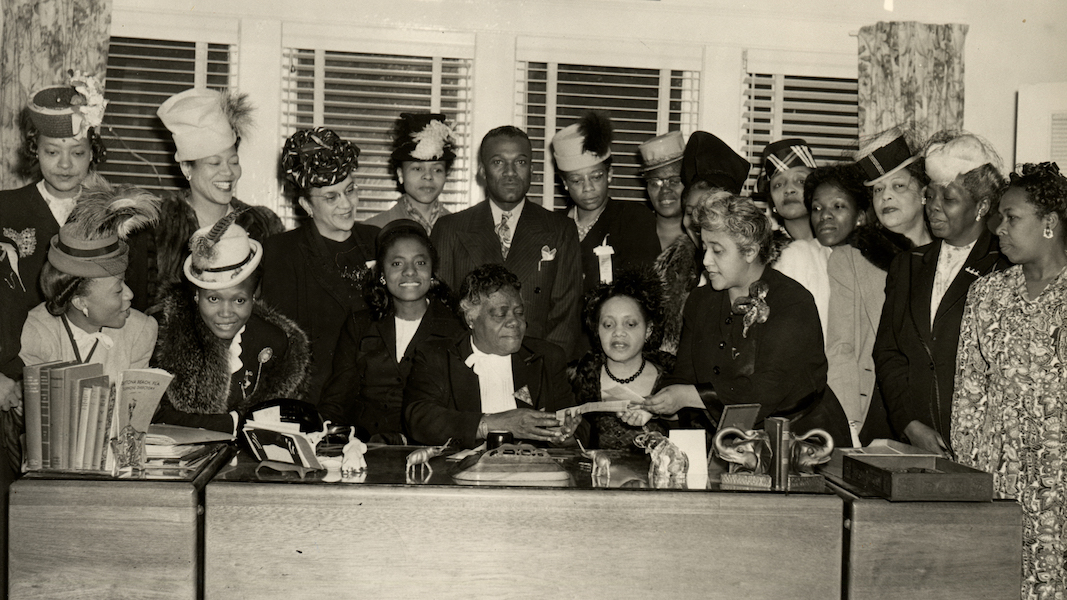
The Hidden Network That Propelled Civil Rights in America
Martin Luther King, Jr. and other civil rights leaders relied on black entrepreneurs to make their work possible
Visions Beyond the Haunted House
Waiting for the Chinese Bear Stearns
Unregulated, speculative lending markets nearly brought down the global financial system 10 years ago. Now, Western banks are exporting this failed model to the developing world.
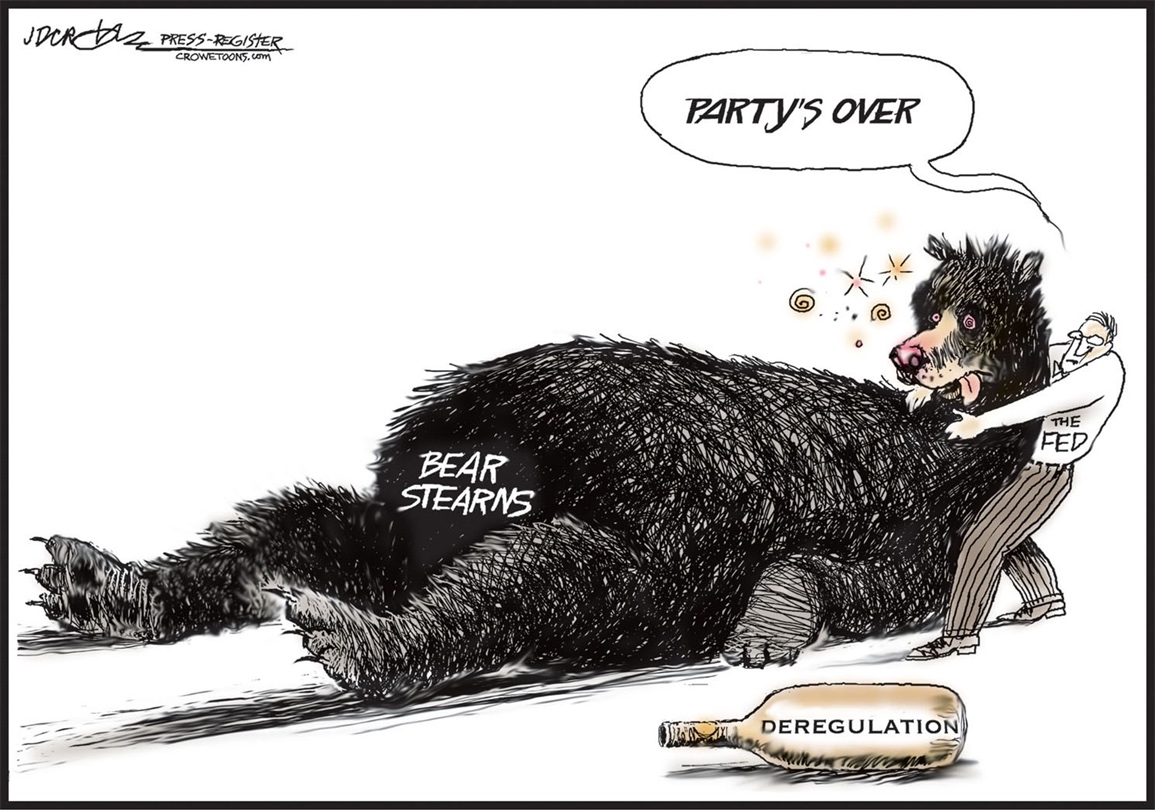
Rewarding Bad Behavior: The Bear Stearns Bailout
Ten years ago when Bear Stearns crashed, the Fed decided to bail out first, ask questions later. It was a mistake that set a bad precedent.
Even in France, Money Rules Politics
France, like many Western European countries, has strong campaign finance laws and a vibrant multiparty system. Yet even there, money has had a corrosive effect on democracy, as private donations have an outsized impact on electoral outcomes.

Financial Markets Have Taken Over the Economy. To Prevent Another Crisis, They Must Be Brought to Heel.
Banks have long had undue influence in society. But with the rapid expansion of a financial sector that transforms all debts and assets into tradable commodities, we are faced with something far worse: financial markets with an only abstract, inflated, and destabilizing relationship with the real economy. To prevent another crisis, finance must be domesticated and turned into a useful servant of society.
When Demand Shapes Supply
Should You Buy Bitcoin?
China’s Green Opportunity
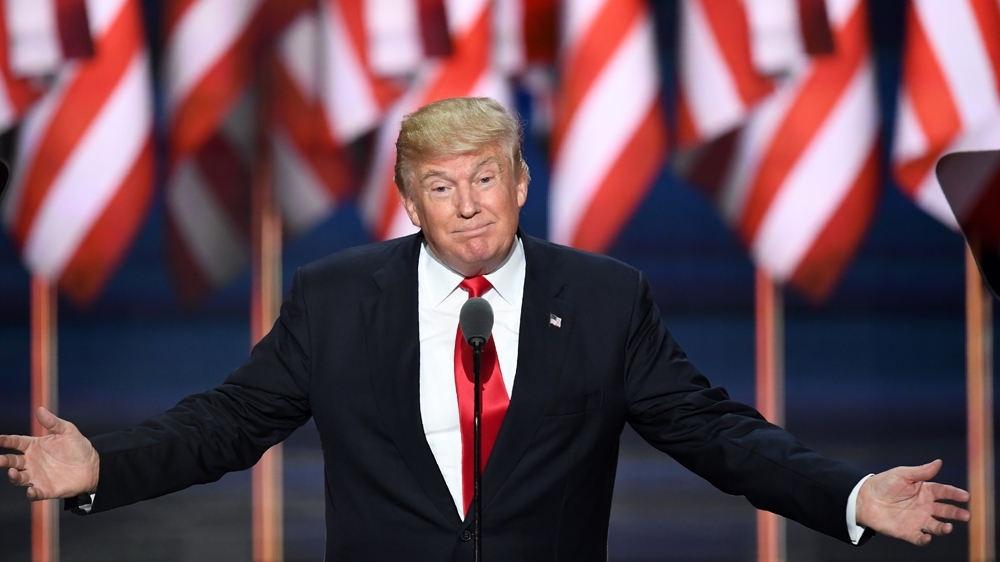
How Money Won Trump the White House
It wasn’t Comey or the Russians. Trump prevailed because his campaign carefully targeted key states with late infusions of big money from private equity, casinos, and other far right contributors, a remarkable wave of donations from small donors, and substantial infusions from the candidate himself.