Articles
Articles and analyses from the INET community on the key economic questions of our time.
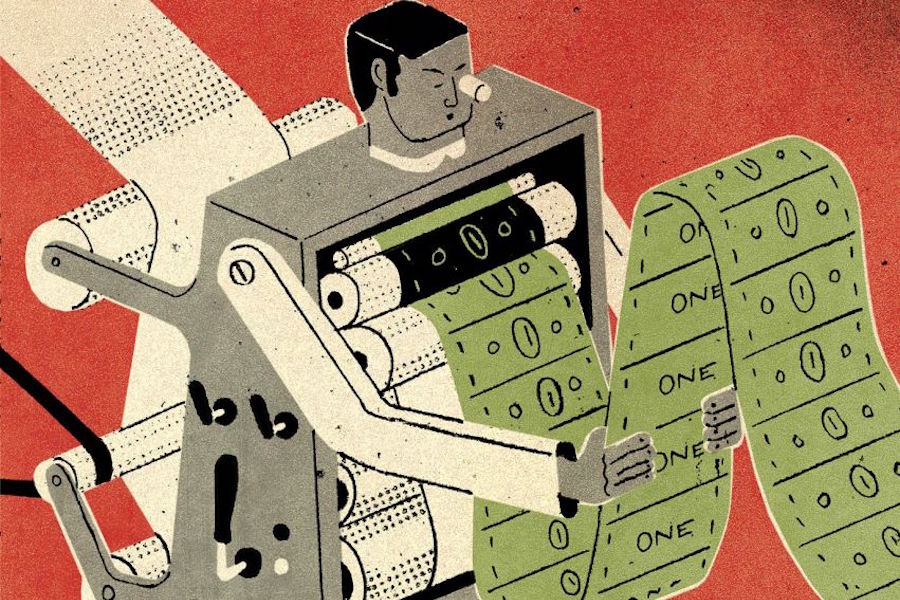

Seeing Microeconomics with New Eyes
A new online course challenges typical teaching approaches.
The Fairness of Markets

Max Roser collaborates with Hans Rosling on BBC Documentary
Institute for New Economic Thinking at Oxford researcher Max Roser recently collaborated with world famous Swedish statistical showman Hans Rosling on the upcoming documentary ‘Don’t Panic: How To End Poverty In 15 Years’.
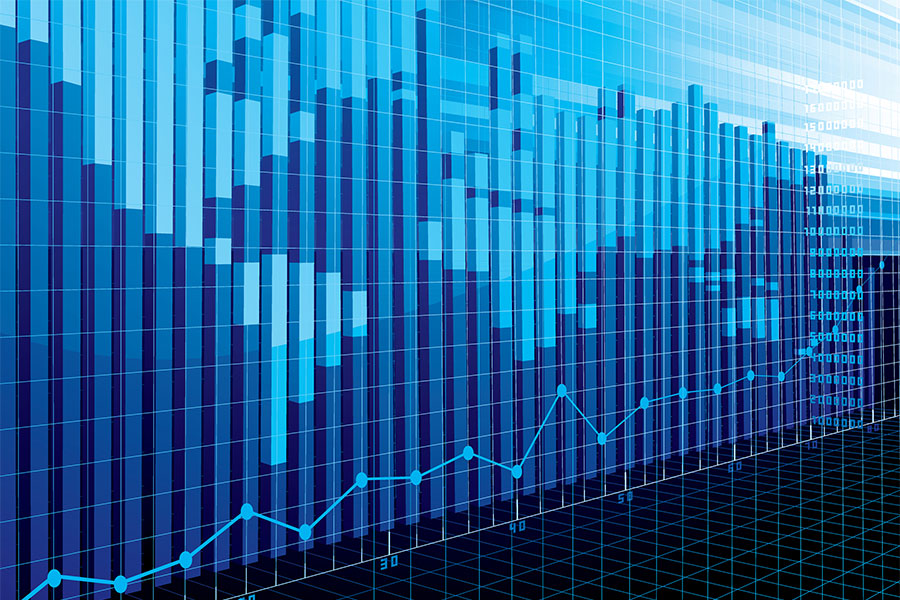
Travelling Knowledge and Tools
News about a wonderful workshop, “Knowledge Transfer and Its Contexts”
Is it Just a Greek Problem?
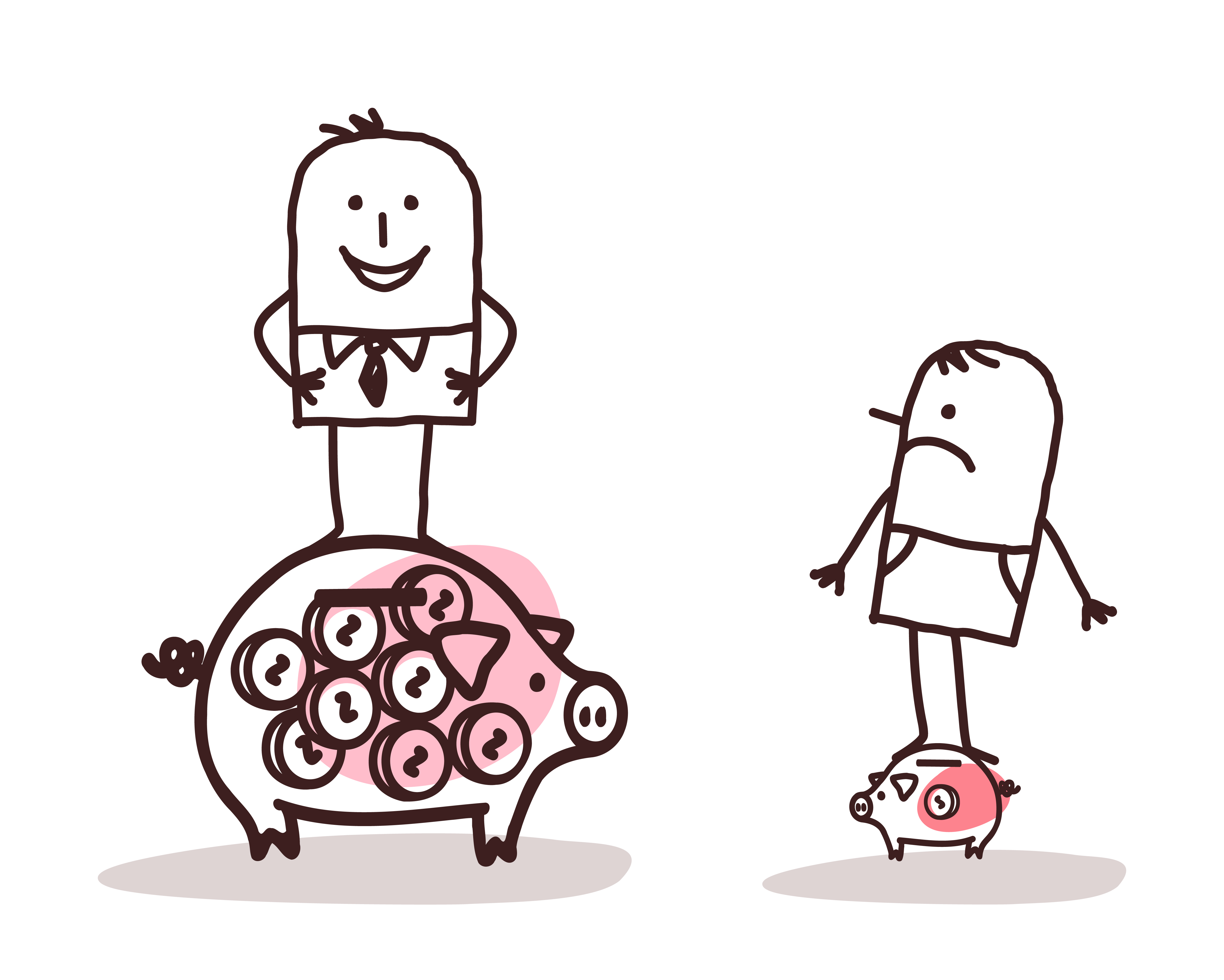
China’s stock market crash reveals financial policy tensions
The unprecedented intervention by China’s authorities to backstop China’s stock market reveals widening policy tensions in China’s leaderships financial reform agenda.
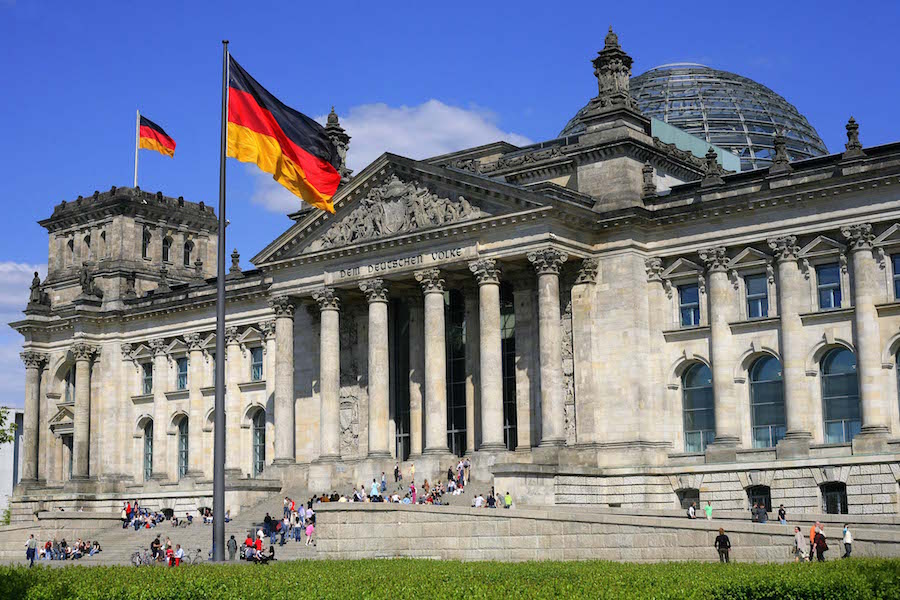
How German Economists Really Think
A survey on behalf of the Sueddeutsche Zeitung indicates that German economists are much more American in their thinking than is presumed – with a rising trend.
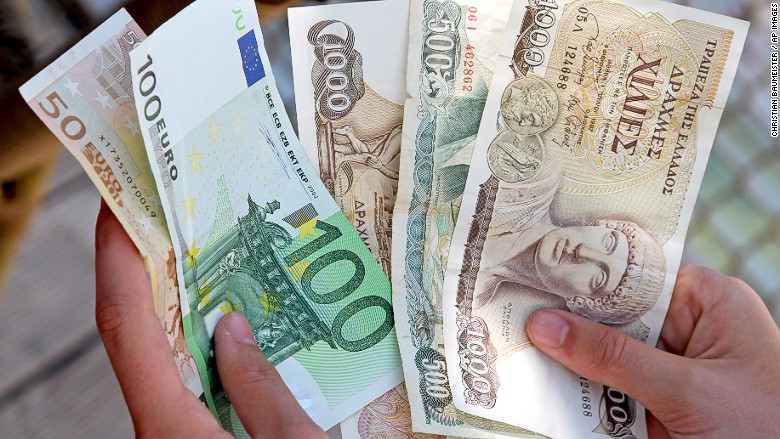
Why 'Grexit' could be good for Greece
It is a shame that Greece was unable to manage its finances and is now slipping into chaos. But this outcome was inevitable and could not be permanently averted with loans from the international community.

What Even Famous Mainstream Economists Miss About the Cambridge Capital Controversies
Non-mainstream economists are disputing neoclassical ideas about capital.