Articles
Articles and analyses from the INET community on the key economic questions of our time.

Modeling Myths of Climate Change
How models treat innovation may be just as important as their assumptions about climate damages
Sunshine and Gloom in San Diego

Modeling the Financial System with a Corn Economy – “misleading and disastrous”
A critique of Mankiw’s Macroeconomics

Brexit and the UK election: Experts, Uncertainty, and Political Economy
One thing is clear – the ‘get Brexit done’ slogan resonated in a country which had been living on a series of knife edges as one ‘crunch’ time after another came and went.
The Stormy Birth of “Europe”
National States and Conflicting Economic Priorities in the Making of the European Monetary System
Why Did Isaac Newton Lose His Shirt in Financial Speculation? Author Alex Pollock Explains.
Trying to predict the financial future is a fool’s errand, even for a genius

Private Equity and Surprise Medical Billing
How Investor-owned Physician Practices Are Driving up Healthcare Costs
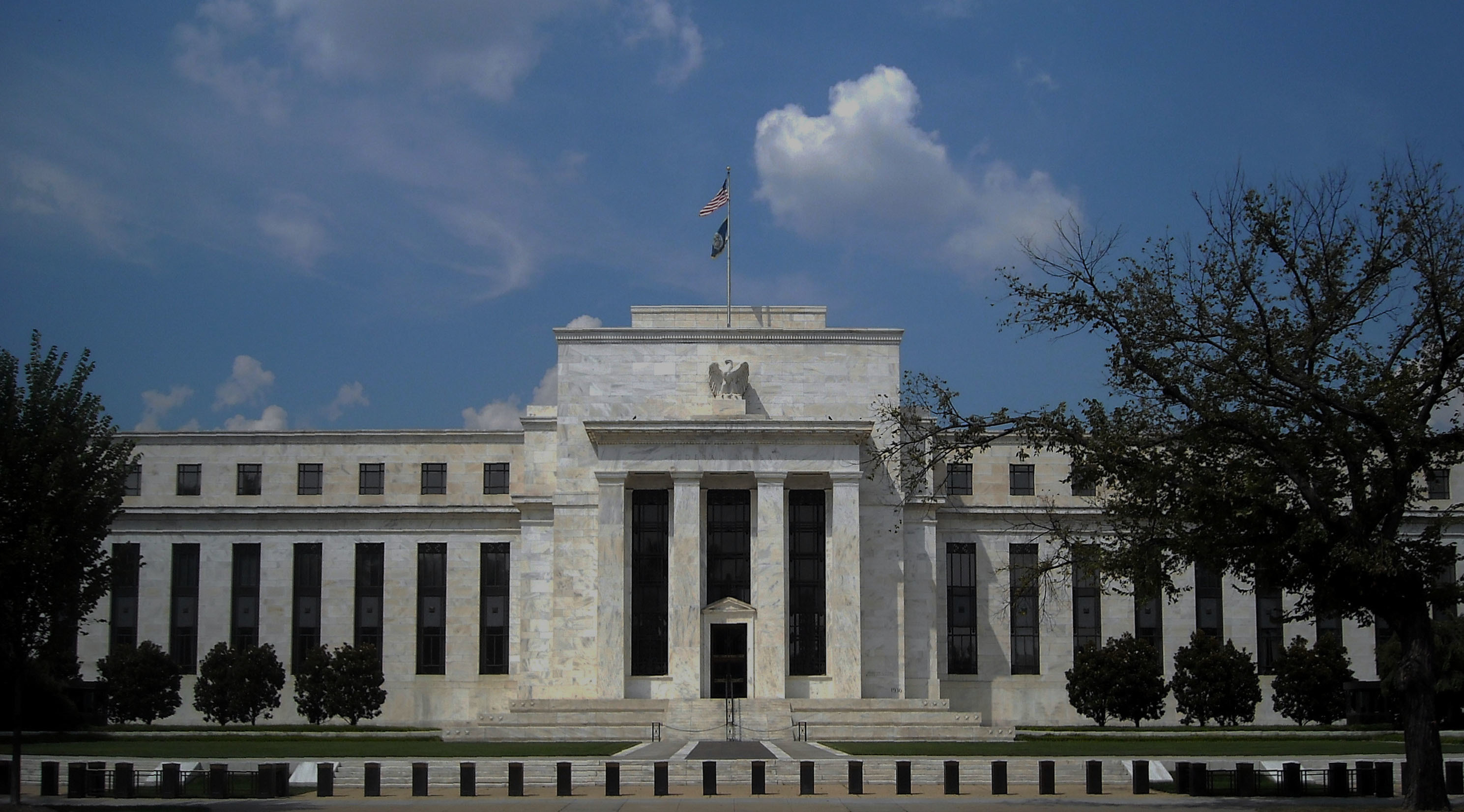
A Plan for Earth’s Survival that Can Survive U.S. Politics?
Economist James K. Boyce explains how to fight climate change and rising income inequality in one shot
Keeping the Oil in the Soil
The central goal of any serious climate policy is to keep fossil fuels in the ground. The central question is how.
After Over Three Decades, Rebel Economist Breaks Through to Washington. Here’s How He Did It.
Capitalism’s Great Reckoning
Are Economists Blocking Progress on Climate Change?
By promoting unrealisitc models, economists have become part of problem rather than the solution