Articles
Articles and analyses from the INET community on the key economic questions of our time.
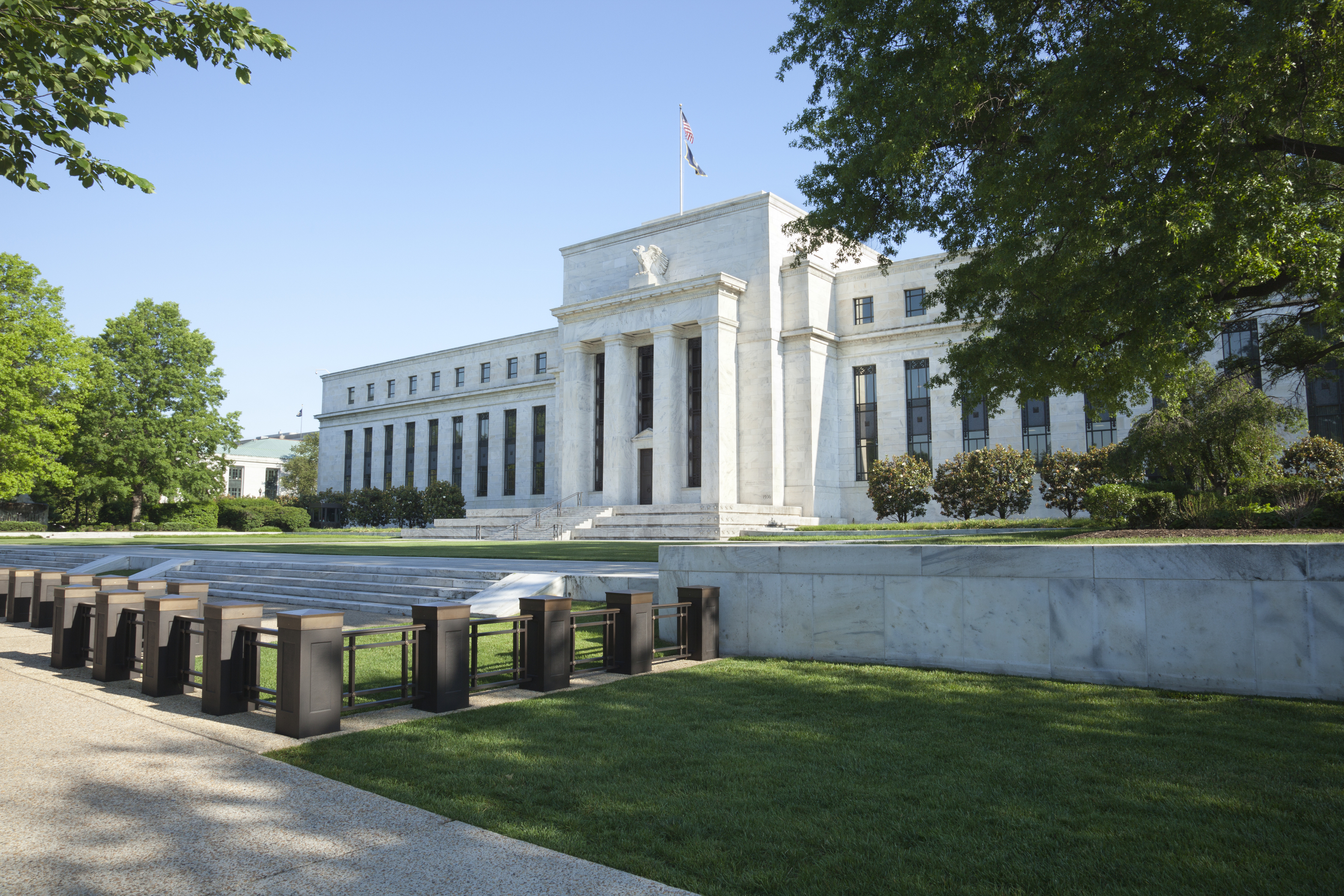
The Origins of the Modern Era of the Federal Reserve
Fifty years ago the actions of the Federal Reserve mattered. Today, so far as the aggregate measures of the American domestic economy go, they do not.

Time to Stop Rolling Dice: Why Bigger is Better in Climate Investments
Earlier investments make large-scale emission reductions easier to do over time because their unit costs drop

INET Research and the 2024 Election
Ever since 2016, INET researchers confirmed the significance of economic issues in Trump’s ascendency.
What Is a “Fair” Drug Price?

Elon Musk and Tesla Shape America’s Future. But Problems Run Deeper Than Tweets.
The financialization of U.S. firms making critical products endangers both American global leadership and, in Tesla’s case, climate change progress.

Musk and Tesla: Corporate Compensation, Financialization, and the Problem of Strategic Control
From the perspective of innovative enterprise, we ask how Musk might abuse his power of strategic control—and what that would mean for corporate governance reform.

How Do Tech Innovations Really Spread? New Evidence
New technologies appear to yield long-lasting benefits for the pioneer locations where they were originally developed.

Why Global Supply Chains Remain Vulnerable
Journalist Peter Goodman delves into the persistent problems with supply chains and how to fix them his new book, “How the World Ran Out of Everything,” in conversation with the Institute for New Economic Thinking

The Long Goodbye? Mitch McConnell and Big Money Politics
In a political system whose primary currency is not the vote but the dollar, McConnell’s role as leader has plainly been well-earned.

Work Longer, Die Sooner! America's Dire Need to Expand Social Security and Medicare
Experts are clear that working into old age often threatens the health and well-being of U.S. seniors.

How Should the Government Negotiate Medicare Drug Prices? A Guide for the Perplexed
The “maximum fair price” for a drug must not only be equitable to those with unmet medical needs who may benefit from the use of the drug but also provide equitable returns on both public and private sector investments.