Articles
Articles and analyses from the INET community on the key economic questions of our time.

A Preface to Alessandro Roncaglia’s Essay on Adam Smith
As America marks 250 years of independence, Adam Smith is again being pressed into service as a founding myth. A deeper reading of The Wealth of Nations reveals a far richer thinker than today’s easy invocations of markets and liberty suggest.

The Fed, Congress, and the President: The Constitutional Authority to Make Money
The struggle over the Federal Reserve is not just a dispute about central bank independence. It is a constitutional conflict over democratic sovereignty itself: in a representative system, the power to make money belongs first to the legislature, not the executive.

Transforming Corporate Governance to Improve Access to Medicines in the Global South
Affordable medicines remain out of reach for millions because pharmaceutical innovation is organized around value extraction, not public health. How do shareholder-driven governance and fragmented global health financing reinforce inequity, and what structural reforms are needed to reverse it?
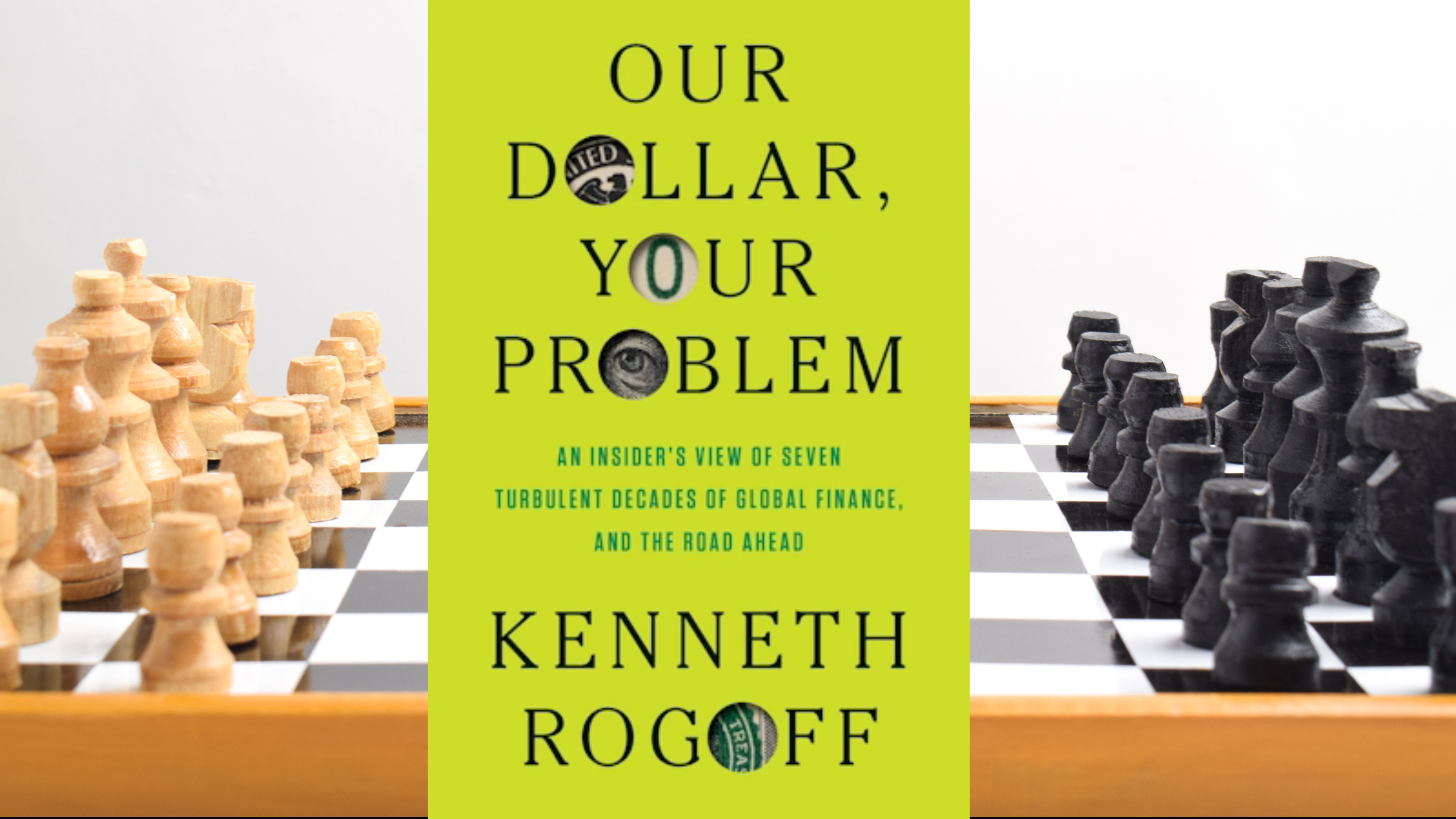
Education of a Grandmaster
Kenneth Rogoff, Our Dollar, Your Problem: An Insider’s View of Seven Turbulent Decades of Global Finance, and the Road Ahead. Yale 2025.
Move Fast and Break Everything: Crypto and the Democrats
After FTX’s collapse, crypto looked finished. Yet Washington revived it, culminating in Trump’s GENIUS Act and a surprising Democratic shift. How did money and affluence predict pro-crypto votes, amid widening deregulation and cyber risk?

Elon Musk’s latest power grab: Will Tesla’s CEO become the world’s first trillion-dollar employee?
Elon Musk secured shareholder approval for a new stock-based package designed to double his voting power at Tesla, potentially making him the first trillion-dollar employee. As this plan cements Musk’s control it ties vesting to audacious market-cap and production targets and diverts focus from progressive value creation. Musk’s governance, layoffs, and politicization could imperil Tesla’s EV leadership and ambitions in AI and robotics.

Private Data, Public Danger? How the Shutdown Poses Risks to the Entire Economy
As the government shutdown drags on, official economic data has slowed to a crawl, leaving policymakers, markets, and citizens increasingly reliant on private-sector numbers. That’s a problem.

Unlocking America’s Political Finance History: Campaign Data from the National Archives
INET’s new data archive of historical political finance records at the National Archives assembles all campaign finance reports filed by political parties and presidential candidates up to 1974, the year before the Federal Election Commission was established.

The AI Bubble and the U.S. Economy: How Long Do “Hallucinations” Last?
This paper argues that (i) we have reached “peak GenAI” in terms of current Large Language Models (LLMs); scaling (building more data centers and using more chips) will not take us further to the goal of “Artificial General Intelligence” (AGI); returns are diminishing rapidly; (ii) the AI-LLM industry and the larger U.S. economy are experiencing a speculative bubble, which is about to burst.

Accounting for Ourselves: What Fedwire Tells Us About Fed Losses, Cost Recovery, and Risk
Without transparent accounting practices and proper risk management, the Federal Reserve’s current financial losses—unprecedented in scale—and the questionable accounting practices it uses to downplay their impact threaten public trust, economic stability, and the integrity of fiscal policy.